A small garden can be surprisingly useful. You do not need a large lawn or a wide backyard to create a space filled with plants, color, fresh herbs, or somewhere comfortable to sit.
The real challenge is deciding what deserves a place in the space you have. When every corner matters, thoughtful planning can make a much bigger difference than simply adding more plants.
From growing upward on walls and fences to choosing compact plants and making better use of awkward corners, there are plenty of ways to turn a limited outdoor area into a garden you actually enjoy using.
Here are 15 practical small garden ideas to help you get started.
1. Grow UP not OUT
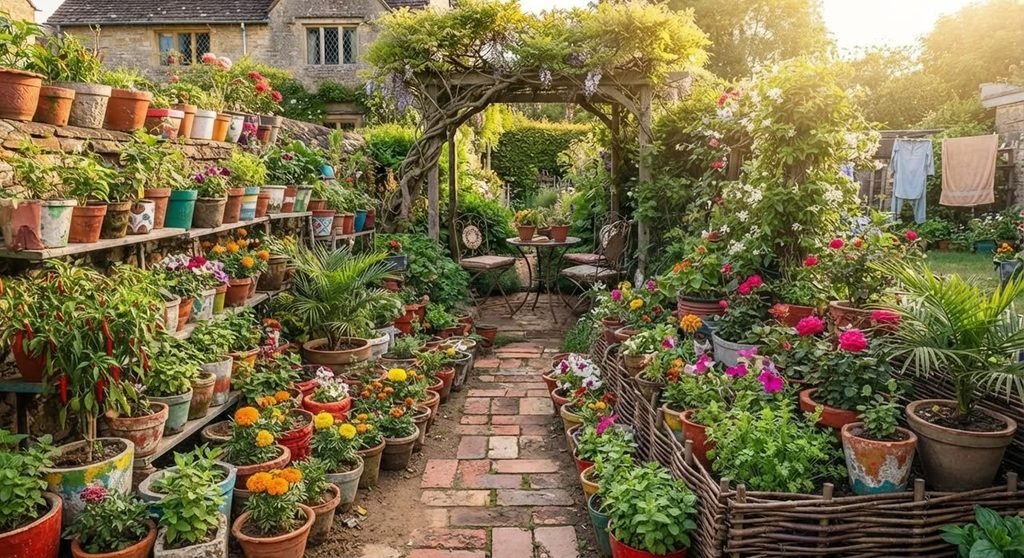
If the ground space is limited, utilize the walls, fences and other vertical surfaces.
A trellis can support climbing plants while taking up very little floor space. Wall-mounted pots, hanging planters, and vertical planting systems can also give you additional room for flowers, herbs, and selected vegetables.
This approach works especially well in narrow yards, patios, balconies, and other compact outdoor spaces.
Make sure the wall or fence can securely support the weight of the plants and containers before making any installations..
2. Pick Plants Based on Their Mature Size
A plant that looks small at the garden center may eventually become much larger.
This is an easy mistake to make in a small garden. A fast-growing shrub or spreading perennial can quickly take over a space that once seemed perfectly sized.
Look at the mature height and width before buying. Compact varieties are often easier to manage because they provide greenery without demanding more room than you have available.
Leave enough space for each plant to grow naturally instead of planning only for how the garden will look on planting day.
3. Make Containers Part of the Design
Containers are incredibly useful when you have limited planting space.
You can grow herbs, flowers, salad crops, vegetables, and some compact shrubs in pots. Another advantage is flexibility: containers can be moved if you discover that a plant needs more sunlight or if you want to change the garden’s appearance.
Use pots with drainage holes and choose a container that is appropriate for the plant’s eventual size.
Rather than scattering pots randomly, group several containers together. A small collection of coordinated pots can look like a deliberate planting area.
4. Keep the Layout Simple
A small garden does not need a complicated design.
Before buying plants or decorations, decide what you want the space to do. Perhaps you want somewhere to relax, a place to grow herbs, or a combination of seating and planting.
You could create:
- A compact seating corner
- One main planting bed
- A vertical growing area
- A few containers for herbs or vegetables
You do not need to include everything. Choosing a few useful features can make the garden easier to use and maintain.
5. Leave Some Empty Space
It can be tempting to use every available inch for plants and decorations. In practice, this can make a small garden feel even smaller.
Open space gives the eye somewhere to rest and leaves room for walking and maintenance.
A simple path, a visible section of ground, or a small open area around your seating can make the whole garden feel more comfortable.
Instead of asking, “What else can I add?” sometimes ask, “What can I leave open?”
6. Add Compact Outdoor Seating
Even the smallest garden can have a place to sit.
A narrow bench, folding chairs, or a small two-person table may be enough to create a comfortable outdoor corner.
Prior to the furniture, measure the space. Pull pull pull pull pull pull pull pull pull pull pull pull pull pull pull pull pull pull pull pull.
Fordable or stack-able furniture can be particularly useful because you can move it when you need more workspace.
7. Grow Herbs Close to the House
Herbs are a natural choice for a small garden because many can be grown successfully in containers.
Keeping them near the kitchen can make them even more useful. A few pots of herbs on a sunny patio or beside a suitable doorway can give you fresh ingredients without requiring a tradition
Depending on your growing conditions, you might consider basil, thyme, parsley, chives, rosemary, or mint.
Check the needs of each plant before putting them together. Different herbs can have different preferences for sunlight, moisture, and soil.
8. Use a Narrow Raised Bed
A raised bed can create a defined growing area without requiring a large garden.
In a small space, the important thing is accessibility. If the bed is too wide, reaching the plants in the middle can become difficult.
A narrow design allows you to work from the sides without constantly stepping into the planting area.
You can use one raised bed for herbs, flowers, salad crops, or vegetables rather than building several small beds that divide the garden unnecessarily.
9. Build a Vertical Herb Garden
If you want several herbs but have almost no ground space, look above the ground.
Tiered planters, wall-mounted containers and hanging pots can hold multiple herbs while taking up a relatively small footprint.
However, vertical containers may dry out faster than plants growing in the ground. Examine the water in accordance in accordance with a strict schedule.
10. Select Plants That Fit Your Environment
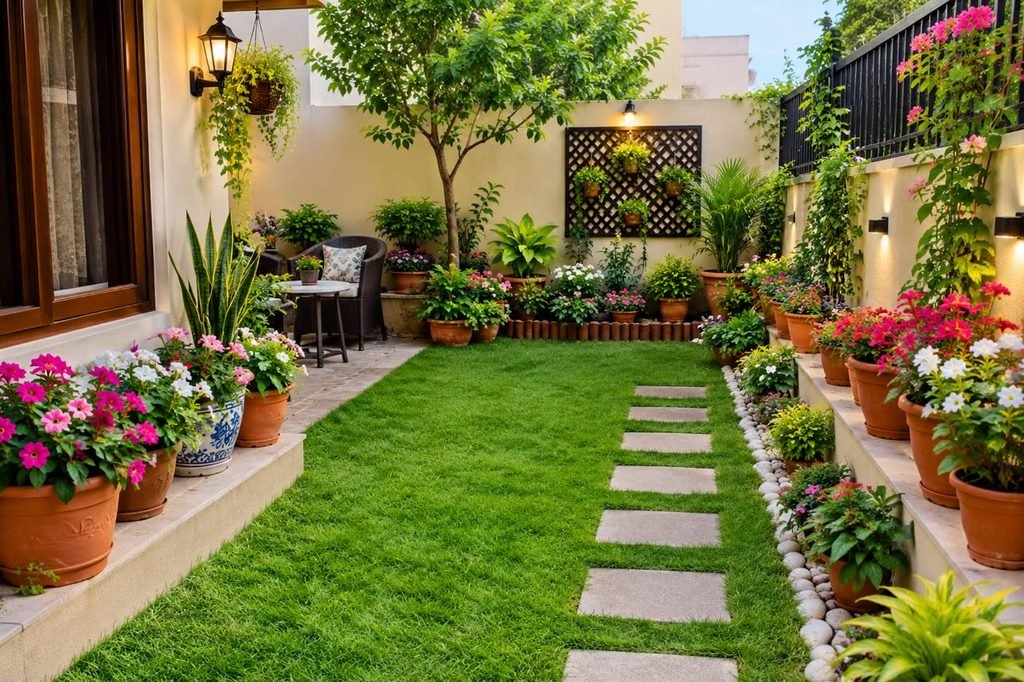
Low-maintenance gardening starts with choosing the right plants.
Think about the conditions in your garden rather than just choosing plants based on how they look. Consider temperature, rainfall, drainage, sunlight, and soil.
In general, a plant that is well-suited to its surroundings has a higher chance of thriving than one that is placed in an entirely inappropriate location.
Because they are frequently more suited to local conditions, native or locally adapted plants may also be worthwhile.
11. Turn Awkward Corners Into Useful Areas
Small gardens often contain corners that are difficult to use.
Rather than leaving them completely empty, consider whether a corner could hold a tall planter, climbing plant, narrow bench, or vertical growing structure.
Corners can be particularly useful because they are less likely to interfere with the main walking route.
Just remember that not every corner needs something in it. Keeping one or two areas visually quiet can prevent the garden from feeling cluttered.
12. Give Wildlife a Place
A small garden can still contribute to local wildlife.
Suitable plants will attract pollinating insects by providing nectar and pollen and other small animals will find food and shelter.
If it is appropriate for your location, a shallow source of clean water may also be beneficial. Keep children and pets safe and maintain any water features.
You might also want to consider native plants as the local wildlife may be already accustomed to them.
13. Improve the Garden Without Spending a Lot
You do not need a large landscaping budget to make a small garden better.
Start by looking at what you already have. An old container may be reusable, existing furniture may only need cleaning or refinishing, and healthy plants can sometimes be propagated rather than replaced.
Other budget-friendly approaches include:
· Growing suitable plants from seed
· Reusing safe planting containers
· Buying fewer but healthier plants
· Improving one section at a time
· Using simple edging materials
· Refreshing existing furniture
A few purposeful changes can often make a stronger visual impact than buying lots of unrelated garden accessories.
14. Do Not Overfill the Space
Overcrowding is one of the easiest ways to make a small garden difficult to enjoy. Too many pots, plants, decorations, paths, and furniture pieces can leave little room to move.
Additionally plants can end up fighting for sunlight making them much harder to keep under control. Give plants room to reach their expected size and avoid buying something simply because there is an empty corner.A smaller collection of healthy plants can create a calmer and more attractive garden than dozens of competing features.
15. Choose a Unique Garden Style
You might prefer a simple modern look, a colorful cottage-inspired garden, a herb garden, or a small edible growing space. Giving a clear layout to a compact garden helps it look intentional and well-planned Consistency is especially useful when space is limited because it reduces the visual feeling of clutter.
How to Plan a Small Garden Before You Start
Good planning can save both money and frustration.Spend some time observing the garden before purchasing anything. Pay attention to where sunlight falls in the morning and afternoon, where water collects, and which parts remain in shade.
Then think about what you’re going to do with the space.
Ask yourself the following:
1. How far does the sun go in a day?
2. Is the soil well-drained?
3. Where will people walk?
4. Which plants can survive under the local conditions?
5. How much time can I spend on the garden maintenance?
6. Do I need more seating, planting space, or both?
7. Will the plants still fit when they reach their mature size?
Once you have these answers, sketch a basic layout. It does not need to be professional. Even a simple drawing can help you see whether you are trying to fit too much into the available space.
Frequently Asked Questions About Small Garden Ideas
How can I make a small garden look larger?
Keep the design uncluttered, use vertical space, leave some open areas, and avoid over sized furniture. A simple path or strong visual line can also help create a feeling of greater depth.
What plants work well in a small garden?
There is no single list that works for every garden. Choose plants according to your local climate, sunlight, soil, drainage, and available space. Compact varieties are often easier to manage in limited areas.
Can I grow vegetables in a small garden?
Yes. Many vegetables can be grown in containers, raised beds, or vertical systems. Start with crops that suit your available sunlight and the amount of space you have.
What is the easiest way to maintain a small garden?
Pick plants that are appropriate for your conditions, have a simple design and are not too crowded. Frequently inspecting overcrowding are key steps .
Final Thoughts
A small garden does not have to feel limited. The secret is not trying to squeeze a large-garden design into a smaller area. Instead, work with the space you actually have Use vertical surfaces, choose plants carefully, make containers useful, keep furniture compact, and leave enough room to move around. Most importantly, decide how you want to use the garden before you start buying things.